How Climate Conditions Affect: Marine Equipment Maintenance
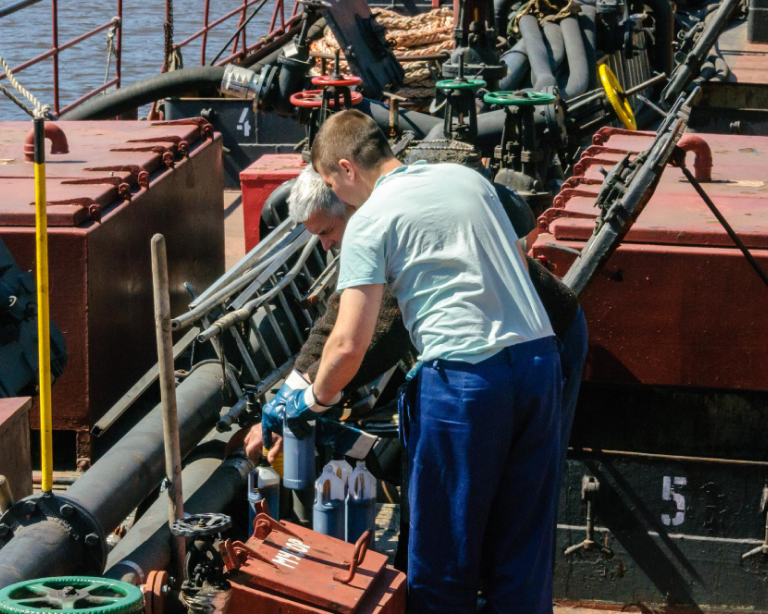
Marine equipment is integral to performing marine transport, construction, and services efficiently. However, marine environments pose specific challenges that can degrade equipment and drive the maintenance cost up if not managed adequately. This blog will discuss specific climate conditions affecting marine equipment, practical maintenance strategies that can be employed to ensure long-term reliability and safety.
Table of Contents
- Understanding the Importance of Marine Equipment Maintenance
- Key Climate Factors Impacting Marine Equipment
- Saltwater and Corrosion
- Temperature Extremes
- Humidity and Moisture
- Storms and Heavy Winds
- UV Radiation
- Strategies for Effective Marine Equipment Maintenance
- Benefits of Regular Ship Maintenance and Inspections
- Conclusion
Understanding the Importance of Marine Equipment Maintenance
Marine equipment endures one of the most extreme environments found on Earth. Saltwater, volatile temperatures, and erratic weather conditions demand intentional routine maintenance to prevent failures and prolong the useful life of expensive assets.
Proactive maintenance ensures:
- Optimal Performance: This yields optimum performance by not allowing any equipment faults from becoming costly downtime.
- Safety Compliance:It minimizes the risks of unsafe equipment for marine transport and construction.
- Cost Efficiency: The need to reduce wear and tear early leads to reduced costs for repairs and replacements.
Key Climate Factors Impacting Marine Equipment
1. Saltwater and Corrosion
Saltwater is the greatest enemy of marine equipment, and water accelerates the corrosion rate in metals and reduces structural strength. Corrosion affects both outer and inner systems of marine equipment and causes major failures.
- Commonly Affected Components: Propellers, hulls, fasteners, and electrical systems.
- Solution:Apply anti-corrosion coating, employ corrosion-resistant alloys, and flush marine equipment with fresh water immediately after saltwater exposure.
2. Temperature Extremes
Marine environments face drastic temperature fluctuations: from almost freezing in polar waters to intensely hot in the tropics. Such factors affect materials such as rubber, plastic, and even some types of metal.
- Impact:
- Expansion and contraction of the materials cause cracks and leakage.
- Electronics can fail at high temperatures.
- Solution: Use temperature-rated materials and insulate sensitive components.
3. Humidity and Moisture
The equipment degrades gradually even when idle due to high humidity levels. Moisture intrusion leads to rusting, mold growth, and electrical short circuits.
- Solution: Store equipment in ventilated areas, use dehumidifiers, and check the seals for moisture damage regularly.
4. Storms and Heavy Winds
Stormy weather is known to directly and indirectly cause a lot of damage to marine equipment. Mechanical stress and physical damage are augmented with heavy rainfalls, high tides, and raging winds.
- Impact:
- Damage to exposed components during transportation or operations.
- Increased wear on anchoring and mooring systems.
- Solution: Use heavy-duty covers, fasten equipment, and avoid operations in severe weather when possible.
5. UV Radiation
Prolonged exposure to the sun could weaken the non-metal components like rubber seals, plastic housings and paint coatings. UV radiation alone determines how long materials can serve on their own.
- Solution: Apply UV-resistant coatings and use shaded storage areas when possible.
Strategies for Effective Marine Equipment Maintenance
- Schedule Regular Inspections:
- Identify early signs of wear or damage before they escalate.
- Performing an exhaustive inspection at the end of operations in extreme conditions.
- Use High-Quality Protective Coatings:
- Invest in marine-grade paints, anti-corrosion sprays, and UV-resistant coatings for equipment to protect it against environmental stressors.
- Implement Predictive Maintenance:
- Employ sensors that track equipment performance and forecast failures.
- Analyze historical data to perfect planning of maintenance schedules.
- Train Personnel:
- Use an equipped team who can handle the maintenance and understand their impact on the environment.
- Partner with Experts in Marine Services:
- Seek expert help for critical repairs or inspections
- Maintain a Detailed Logbook:
- Record maintenance activities, repair histories and performance of equipment to make proper decisions
Benefits of Regular Ship Maintenance and Inspections
Routine maintenance goes beyond just keeping equipment running; it also brings tangible returns:
- Safety: Reduces the risk of costly equipment failure during marine transport or construction activities.
- Efficiency: Equipment will function at its best, and all its operations will be well-coordinated and smooth.
- Savings: Preventive maintenance avoids those unexpected expenses of major repairs and replacements.
- Longer Lifespan: Proper care extends the usable life of your equipment, which ultimately improves the ROI.
Conclusion
These all are major challenges for marine equipment, ranging from saltwater corrosion to extreme temperature damage and UV radiation. Efforts to understand these factors and adjust proactive maintenance strategies will protect marine operators’ investments and ensure reliable operations.
Need expert guidance or marine services? Contact Seven Seas today to keep your equipment in top condition!