Viking Hydraulic vs Electric Winches for Deep-Sea Operations
Standard parts don’t always cut it. When you’re running an industrial plant in Jebel Ali or a construction site in the heart of the city, “off-the-shelf” often means “doesn’t fit.” You need structural components and machine parts that match your exact specs. High-quality custom metal fabrication in Dubai is about more than just melting and bending steel; it’s about precision engineering that prevents costly downtime. At Seven Seas, we turn your blueprints into heavy-duty reality, ensuring every weld and cut stands up to the UAE’s demanding industrial environment.
The short answer? You can get specialized fabrication services by partnering with a workshop that handles everything from structural steel to intricate machine components.
Why the Marine Industry Still Trusts Hydraulic Power
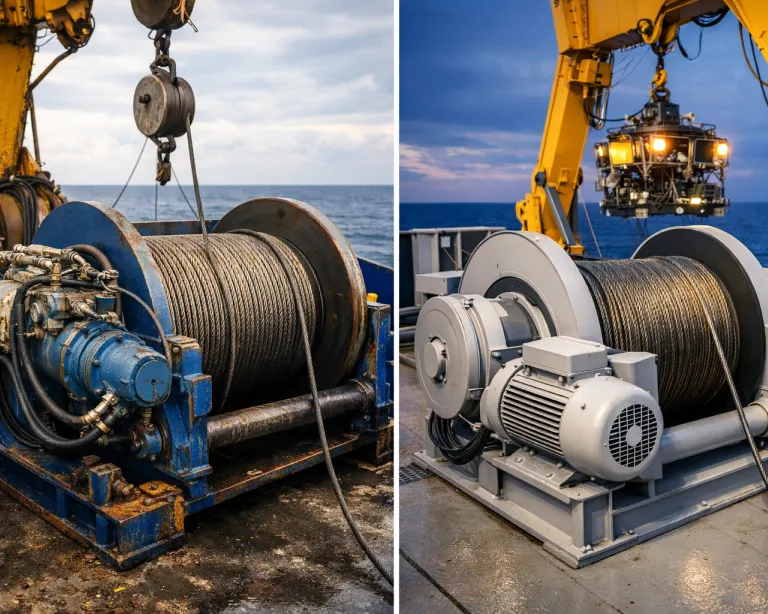
Hydraulic systems are the grizzled veterans of the sea. They use pressurized fluid to create massive torque, which is exactly what you need when a cable is under extreme tension in a subsea lift. Viking winches, in particular, are built for these punishing environments.
One major advantage is heat management. Hydraulic fluid naturally carries heat away from the motor. This means you can run a hydraulic winch at full capacity for hours. It won’t overheat. It won’t stall. It just keeps pulling. For deep-sea anchoring or heavy-duty towing, that kind of reliability is king.
Are Electric Winches Ready for the Deep Sea?
Electric winches have come a long way. They used to be reserved for lighter yacht work, but modern tech has pushed them into heavier territory. Their biggest selling point? Efficiency. You aren’t losing power through complex fluid dynamics, and you don’t need a massive hydraulic power unit (HPU) taking up space on your vessel.
They are also much quieter. If you’ve ever stood next to a screaming HPU, you’ll appreciate the near-silent operation of an electric motor. Plus, they are easier to plug into digital control systems. If your operation requires precise speed adjustments and automated stops, an electric setup makes life much easier.
The Maintenance Reality: What Breaks and When?
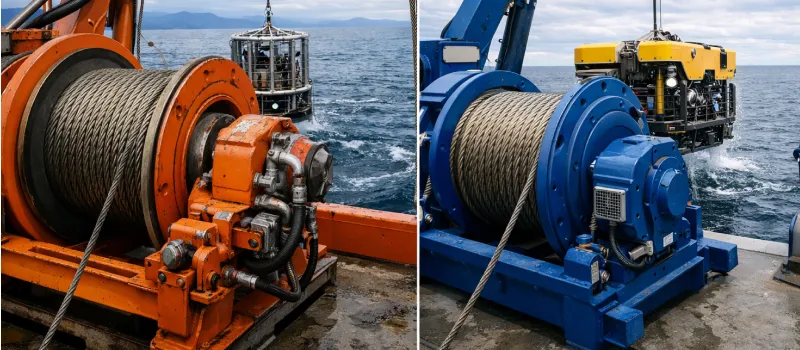
Here is where the choice gets practical. Hydraulic systems are robust but complex. You have hoses, seals, pumps, and filters. A single leak can be a mess and a hazard to the environment. Saltwater is also a constant threat to these connections. Regular inspections aren’t just a suggestion; they are a requirement to avoid expensive downtime.
Electric winches are simpler to install because they just need cables, not plumbing. However, they have a different enemy: corrosion. Saltwater and electricity don’t mix. If your seals fail and moisture hits the motor or the control board, the winch is dead in the water.
Which One Should You Actually Buy?
If your goal is raw, continuous power for the most demanding commercial tasks, stick with a hydraulic Viking winch. It’s built for the “always-on” nature of offshore drilling and heavy maritime salvage. It handles the variable loads of the deep sea with a level of grit that electric motors struggle to match.
If you’re running a smaller vessel or your tasks are intermittent, like anchor handling or light towing, the electric option is more cost-effective. It’s cheaper to install, easier to maintain, and takes up less floor space. Just make sure you invest in high-quality housing to keep the salt out.
Final Thoughts on Viking Hydraulic vs Electric Winches
So, are you looking for a workhorse or a precision tool? Deep-sea operations leave zero room for “maybe.” Your choice should reflect the intensity of your daily shifts. Still not sure which setup fits your vessel’s existing power grid?
FAQ
Can an electric winch handle the same weight as a hydraulic one?
On paper, you can find high-capacity electric winches. But in the real world, hydraulics handle the strain better over long periods. If you’re pulling a massive load from the bottom of the ocean, an electric motor might trip a breaker or get too hot. Hydraulics just keep grinding.
Is it true that hydraulic winches are harder to install?
Yes. You aren't just mounting a winch; you're building a plumbing system. You need the HPU, reservoirs, and high-pressure hoses. It’s a bigger job and costs more upfront. Electric winches are mostly "plug and play" once the heavy-gauge wiring is in place.
What happens if a hydraulic line leaks in the middle of the ocean?
It’s a headache. It can be slippery, dangerous for the crew, and bad for the water. That’s why we always tell people to check their seals and hoses before every trip. A tiny crack today is a failed mission tomorrow.
Do electric winches fail more often in saltwater?
Only if they aren't properly sealed. High-end marine electric winches are built like tanks, but once that seal goes, the internal components are toast. Hydraulics are naturally more resistant to the elements because the system is under constant internal pressure.