Beat the Heat: Mastering Marine Hydraulic Maintenance in the UAE
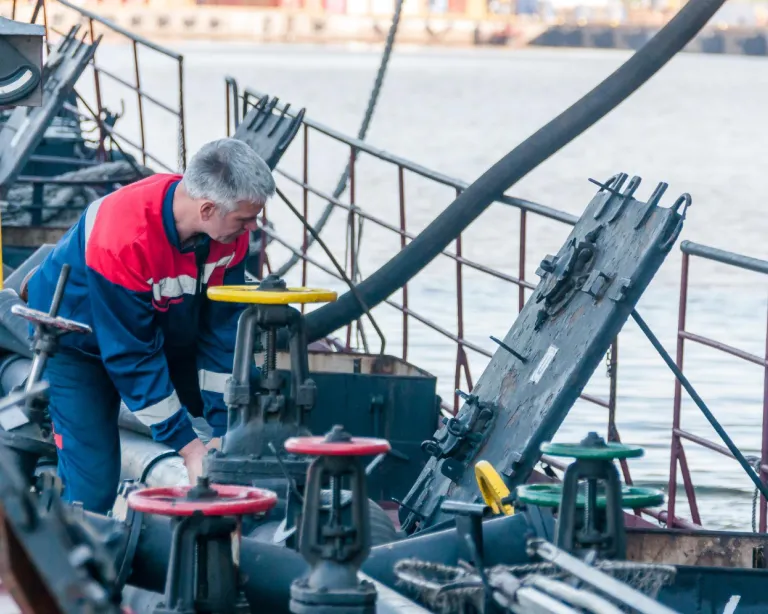
The GCC summer is a brutal testing ground for machinery. Between the 45°C ambient temperatures and the relentless salt spray of the Arabian Gulf, your vessel’s hydraulic systems are under a constant state of siege. If you don’t adjust your care routine, you’re not just looking at a minor leak, you’re looking at a total system meltdown that could leave you stranded at sea. We’re going to walk you through exactly how to keep your gear cool when the mercury rises. You’ll learn how to stop seal failures and fluid degradation before they start, ensuring your marine hydraulic maintenance UAE strategy is actually up to the task.
Why Does Summer Kill Marine Hydraulics?
The short answer? Heat thins your oil and bakes your seals. In the UAE, “normal” operating temperatures are often exceeded before you even start the engine. When hydraulic fluid gets too hot, it loses its viscosity. It becomes thin like water, losing its ability to lubricate moving parts. This leads to metal-on-metal friction, which generates even more heat. It’s a vicious cycle.
In the maritime world, “good enough” usually isn’t. You need to know exactly how these materials react to the specific oils and temperatures in your system.
The Seal Failure Trap
Most hydraulic systems in the region fail because of the seals. Standard nitrile seals can become brittle and crack when exposed to extreme thermal cycles. Once a seal fails, you’ve got two problems: you’re losing expensive fluid, and you’re letting abrasive salt and sand into the system. For heavy-duty use, we often recommend upgrading to Viton seals, which handle the local climate much better.
Fluid Oxidation and Sludge
High heat accelerates oxidation. This chemical reaction turns your high-quality hydraulic oil into a dark, acidic sludge. This “varnish” coats the inside of your valves and pumps, causing them to stick or respond sluggishly. If your oil looks or smells burnt, it’s already too late. You need a professional oil flushing service to prevent permanent damage to your gear pumps and control valves.
Pro-Tips for Extending Your Lifespan
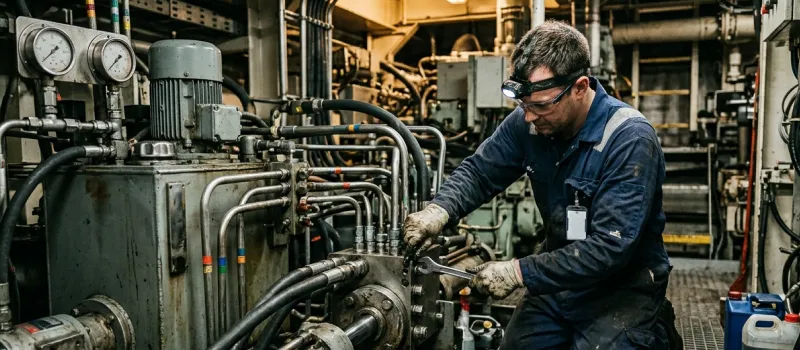
Maintenance isn’t a “once a year” event in the GCC. It’s a lifestyle. To keep your winches and cylinders moving, you need to be proactive.
1. Monitor Your Viscosity
As the ambient temperature climbs, consider switching to a fluid with a higher viscosity index. Thicker oil maintains a better protective film when things get hot. However, always check with a specialist before making the switch to ensure it’s compatible with your specific pump requirements.
2. Keep the Coolers Clean
Your oil cooler is the lungs of your system. In the UAE, these often get clogged with salt crust or marine growth. If the heat exchanger can’t breathe, the oil temperature will skyrocket within minutes of operation. Make it a habit to flush the sea-water side of your coolers regularly.
3. Inspect Hoses for "Sweating"
High heat and UV rays are a nightmare for rubber. Look for hoses that appear “wet” or are starting to show surface cracks (sun-rot). In the marine environment, a burst hose doesn’t just stop your work, it’s an environmental hazard.
Final Thoughts on Marine Hydraulic Maintenance in the UAE
Marine hydraulics are the muscles of your vessel. In the harsh conditions of the UAE, those muscles need extra hydration and protection. By sticking to a strict marine hydraulic maintenance UAE schedule, you’re not just saving money on repairs; you’re ensuring the safety of your crew and the longevity of your investment.
FAQ
How often should I check my hydraulic oil in the summer?
Daily. No exceptions. Check the level and the color. If it looks milky, you’ve got water contamination. If it’s dark and smells like burnt toast, it’s oxidized. Catching these early saves you from replacing a whole pump.
Can I just top up the oil if I have a small leak?
You can, but you shouldn't. A leak is a two-way street. If oil is getting out, salt air and moisture are getting in. Small leaks quickly turn into big failures under the high pressure of marine operations. Get it fixed right the first time.
What is the "ideal" operating temperature for my system?
Most systems like to stay between 40°C and 60°C. Once you hit 80°C, the lifespan of your oil and seals drops by half for every 10-degree increase. If you can’t keep it under 70°C, you need a bigger cooler or a system checkup.
Why are my hydraulic winches moving slower in the afternoon?
It’s likely heat-related "slippage." As the oil thins out, it slips past internal pump clearances instead of pushing the piston or motor. It’s a clear sign your system is struggling with the GCC heat.