Marine Winch Selection: High-Pressure vs. Low-Pressure
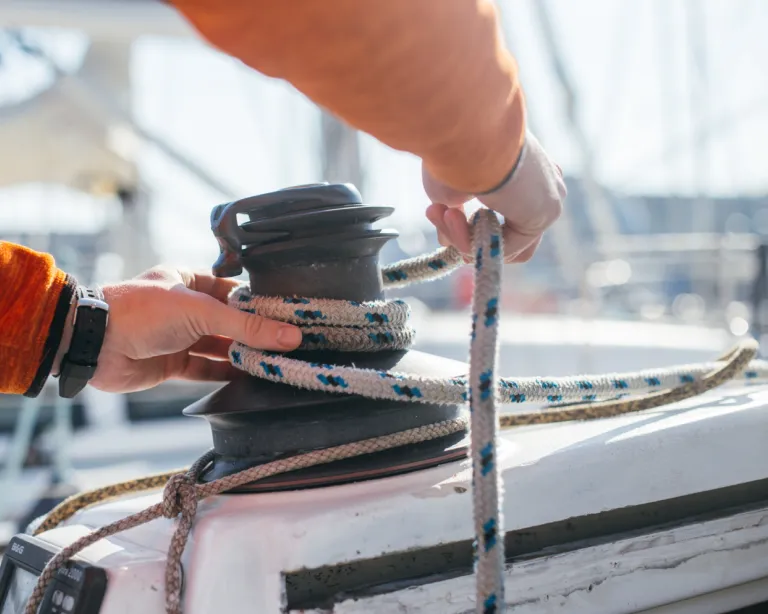
Choosing the wrong hydraulic system for your deck machinery isn’t just a technical oversight. It’s an expensive mistake that leads to sluggish performance, frequent breakdowns, and wasted fuel. Whether you’re outfitting a tugboat or a massive offshore supply vessel, you need to know which pressure system actually fits your mission. We’re stripping away the jargon. By the end of this guide, you’ll understand the real-world trade-offs between high and low pressure, making your marine winch selection simple, smart, and safe.
Should I Choose High or Low Pressure for My Marine Winch?
Choose high pressure if you need high power in a compact space and low pressure if you prioritize smooth control and massive torque at low speeds. Most modern industrial vessels are moving toward high-pressure systems because they use smaller components to move heavier loads. Regular marine winch repair and maintenance is the only way to ensure these high-pressure systems don’t fail under the extreme stress of daily operations.
However, the “best” choice depends entirely on your vessel’s existing hydraulic infrastructure and the specific job the winch needs to do.
The Case for High-Pressure Systems
High-pressure hydraulics (usually operating above 250 bar) are the standard for modern offshore operations. Because the pressure is higher, the components, pumps, motors, and cylinders can be much smaller. This saves precious deck space and reduces the overall weight of the vessel.
If you’re running a fishing trawler or a research vessel where every square inch matters, high pressure is usually the way to go. It offers quick response times and high efficiency. But there’s a catch. High-pressure systems are less forgiving. They require cleaner oil and more frequent inspections to prevent catastrophic seal failure.
Why Some Captains Still Swear by Low Pressure
Low-pressure systems (often called “trawler gear”) operate at around 30 to 50 bar. They are bulky. They are heavy. But they are incredibly reliable. These systems are famous for their “soft” start and stop capabilities.
If you are hauling a net or towing a barge, you don’t want jerky movements. Low pressure provides a steady, relentless torque that handles shock loads better than high-pressure alternatives. They also tend to last longer in salt-heavy environments because the internal stress on the metal is lower.
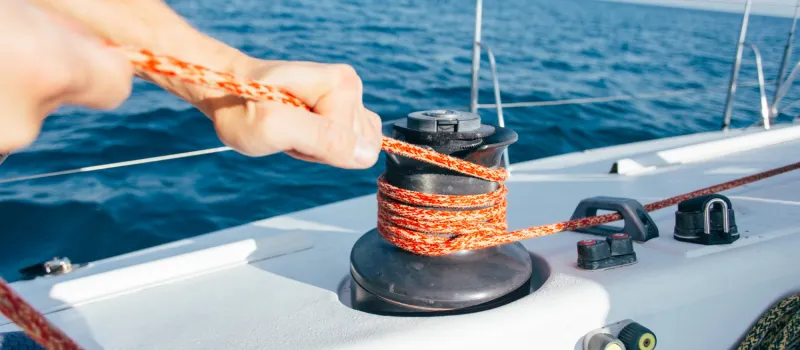
Technical Factors in Marine Winch Selection
You can’t just look at the winch; you have to look at the whole ship. When we handle marine winch selection at Seven Seas, we look at the power-to-weight ratio and the duty cycle of your operations.
Control and Precision
If your job involves subsea construction or precise positioning, you need the fine-tuned control of a high-pressure system paired with digital proportional valves. Low-pressure systems, while steady, often lack the “surgical” precision required for advanced offshore work.
Maintenance and Repair Realities
High-pressure winches use specialized components. If a pump goes down in the middle of the ocean, you need specific spares and a high level of technical expertise to fix it. Low-pressure systems are simpler. They are often easier to repair on the fly with basic tools, which is why they remain popular in remote commercial fishing fleets.
Final Thoughts
Your winch is the muscle of your boat. Don’t over-complicate it, but don’t under-spec it either. If you want power and agility, go high pressure. If you want a workhorse that will outlast the hull of the ship, low pressure might be your best friend.
FAQ
Is high pressure always "better" because it's newer?
No. "Newer" doesn't mean "right." If you have an older vessel with a low-pressure hydraulic ring main, sticking with low pressure is often cheaper and more reliable than trying to convert the whole ship. Don't chase tech; chase utility.
Does a high-pressure winch use more fuel?
Actually, it’s usually the opposite. High-pressure systems are often more energy-efficient because they have lower flow rates for the same amount of work. This means your hydraulic pumps don't have to work as hard to move the fluid.
How do I know if my current winch is failing?
Look for "creep" when the winch slowly lets out a line while it’s supposed to be braked. Also, listen for a high-pitched whining sound. That’s usually the sound of fluid "slipping" past worn internal parts. It’s a cry for help.
Can I mix high and low-pressure components?
Absolutely not. That is a safety disaster waiting to happen. Putting a low-pressure motor on a high-pressure line will likely cause the motor casing to explode. Always match your pressure ratings.