The Practical Ship Maintenance Checklist for UAE Fleet Operators
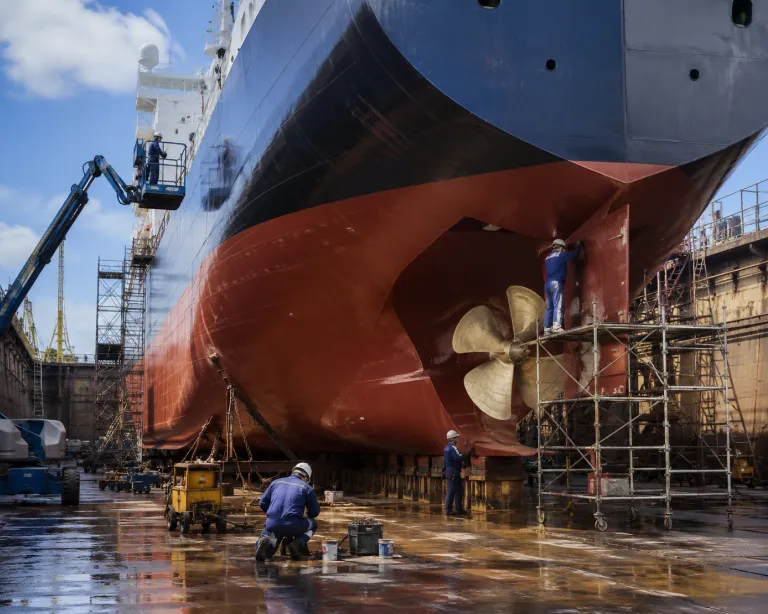
Running a fleet of vessels in the Arabian Gulf is a constant battle against the elements. The extreme heat, intense humidity, and high water salinity create a brutal environment for any maritime asset. If you are managing operations here, you already know that a minor oversight in the engine room or an ignored seal on deck can quickly snowball into expensive downtime at the dry dock. Keeping your vessels moving requires a clear, practical plan that your crew can actually follow every single day. This straightforward ship maintenance checklist focuses on the high-stress areas that fail first in regional waters, helping you keep your fleet safe, efficient, and fully compliant without the usual headaches.
Keeping the Engine Room Alive in Extreme Heat
When seawater temperatures climb during the peak summer months, your cooling systems take a massive beating. The margin for error shrinks to almost zero, making regular monitoring your absolute best defence against sudden power loss.
You need to have your crew checking the lubrication oil daily. Do not just look at the levels; keep a close eye on the viscosity and test regularly for fuel dilution or water ingress. If you start noticing copper or iron particles in the analysis reports, that is an immediate warning sign that your bearings or liners are wearing out way ahead of schedule.
The cooling water loops need identical attention. Scale buildup or a bit of marine fouling inside the heat exchangers will cause engine temperatures to spike the moment the ship pushes hard. Make sure the crew is cleaning the sea strainers at least once a week, and keep tabs on the chemical treatment levels in the jacket water to prevent internal corrosion from taking hold.
Deck Machinery and the Threat of Salt and Sand
Out on deck, the combination of blowing desert sand and salt spray acts like sandpaper on your equipment. Your hydraulic systems and deck machinery are sitting ducks if they are neglected.
Take a close look at your winches and mooring gear. Sand grains love to settle on the exposed piston rods of hydraulic cylinders. If the wiper seals are worn, that grit hitches a ride right into the system, tearing up internal valves and ruining your system pressure. For operators noticing sluggish performance under load, getting an expert team on board for winch repair services is the fastest way to open up the blocks, flush out the contamination, and rebuild those tight internal tolerances.
Beyond the hydraulics, make sure the mechanical brakes on your anchor winches are checked for lining wear. A slipping brake during a routine anchoring manoeuver is a major safety hazard that is entirely preventable with a quick weekly measurement.

Monitoring Hull Integrity and Hidden Corrosion
Corrosion in the Gulf happens fast, and the worst part is that it usually starts where nobody can see it. Waiting for a visible leak to show up is a recipe for disaster.
Your sacrificial anodes are the first line of defence for the hull and sea chests. Do not wait until they completely waste away to replace them. Once an anode drops to about half its original size, its ability to protect your hull steel drops off a cliff. Have your dive teams check them during routine hull cleanings, and plan to swap them out systematically.
Inside the vessel, the ballast lines and bilge piping deserve extra scrutiny. Internal pitting can quietly eat through a pipe wall while the exterior looks brand new. Running regular ultrasonic thickness testing on these lines lets you spot thinning metal early, so you can patch or replace the section during a scheduled stop rather than dealing with a flooded compartment out at sea.
Staying Ahead of Port State Control
No fleet manager wants to get that call saying a vessel has been detained by port authorities over a paperwork error or a faulty piece of safety gear. Staying compliant means treating your safety checks as non-negotiable operational tasks.
Make sure your fixed fire-extinguishing systems, like the CO₂ bottle rooms, are checked thoroughly. Ensure the remote release cables are free, boundary dampers move smoothly, and pressure gauges are exactly where they should be.
The emergency generator needs to start on the first try, every single time. Run it weekly under load to make sure the automatic transfer switch works flawlessly and the emergency fire pump primes without hesitation. Keeping these systems verified and keeping the logbooks meticulously updated is the only way to satisfy international standards like the IMO SOLAS Convention when inspectors walk up the gangway.
Final Thoughts on Ship Maintenance Checklist
At the end of the day, a ship maintenance checklist is only as good as the culture on board. When your crew understands that checking a seal or testing a water sample prevents a massive breakdown under the blazing sun, your operations run smoother, your timelines stay predictable, and your bottom line stays protected.
What is the biggest maintenance headache your crew runs into during the peak summer months?
FAQ
Why does the Gulf water temperature cause so many engine issues in July and August?
It comes down to simple thermodynamics. When the seawater gets as warm as it does here, the temperature difference between the ocean and your engine's jacket water gets very narrow. Your heat exchangers have to work incredibly hard to dump that engine heat. If your coolers have even a tiny bit of scale or marine growth inside them, they lose efficiency instantly, and your engine temperatures will redline before you know it.
How can we stop sand from ruining our deck hydraulics?
You can't stop the sand from landing on the deck, but you can stop it from getting inside. The secret is the wiper seals on your hydraulic cylinders. If those seals are cracked or hardened by the sun, they let fine grit slide right past. Have your crew wipe down exposed cylinder rods regularly, and change those seals the moment they show signs of UV damage. It saves you from a full system flush later.
What are we looking for when we test ballast tank steel?
You are looking for hidden thinning. Ballast tanks alternate between being full of highly saline water and damp oxygen-rich air, which is the perfect recipe for rapid rust. A pipe can look fine on the outside, but scale might have eaten away half the wall thickness inside. Ultrasonic testing bounces sound waves through the metal to tell you exactly how many millimeters of good steel are actually left.
When should we actually replace our hull anodes?
Don't wait until they are completely gone. Once an anode wastes down to about 50% of its original weight, its electrical output drops significantly, and it stops fully protecting your hull. If you notice them disappearing faster than usual, you probably have a stray electrical current grounding issue on board that needs tracking down immediately.