Strapping Tool Types Used in UAE Packaging Lines
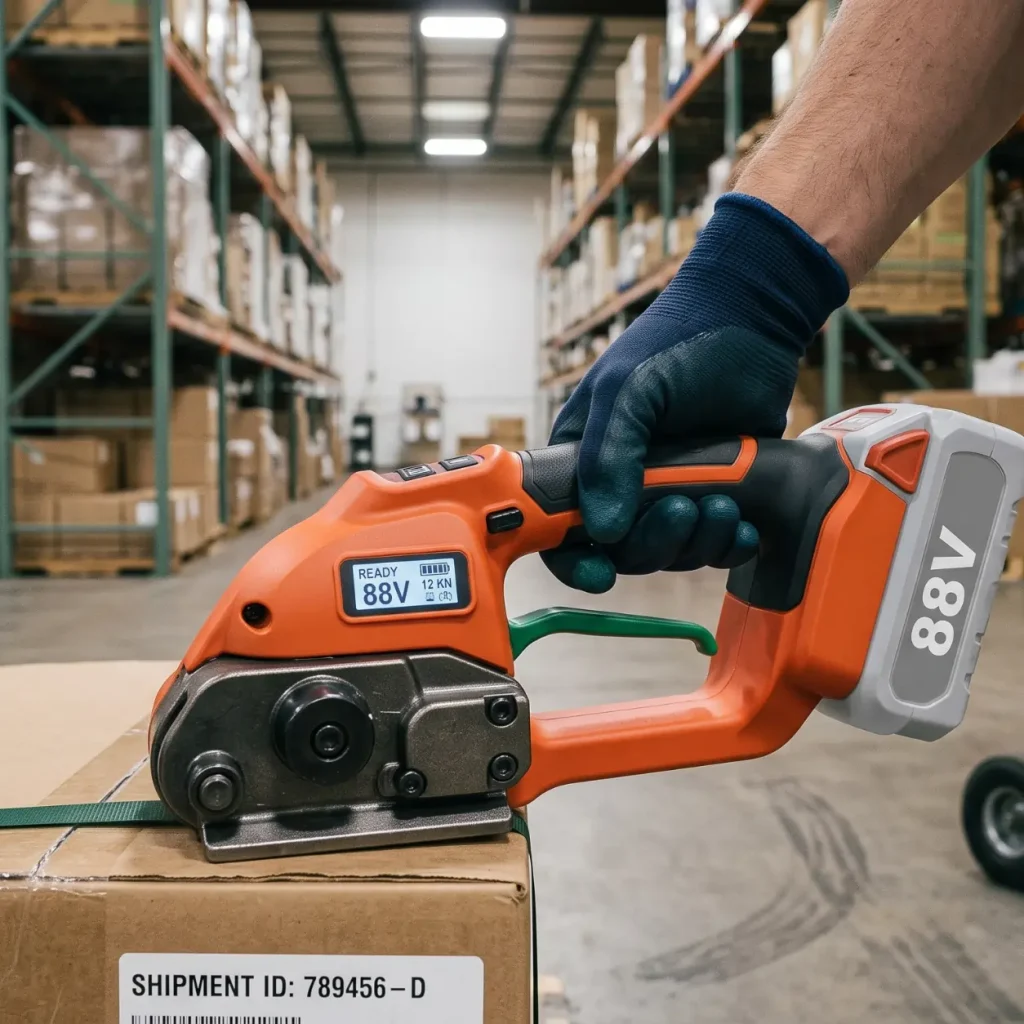
Anyone who has stood at a pallet wrap station in a Dubai warehouse knows the sound: the click of a tensioner, the snap of a sealer, then the strap holding a load tight for the truck ride ahead. Picking the right strapping tool types for that job matters more than most operations managers realize until the wrong tool jams mid-shift. A hand-operated sealer on a high-volume line slows everything down. A heavy metal strapping tool used on a light PET load can crush the packaging instead of securing it.
How Do PET Strapping Tools Work and Where Are They Best Used?
PET strapping tools handle polyester strap, the plastic banding used on cartons, palletized goods, and general cargo across most warehouses. The tool tensions, the strap around the load, seals the overlapping ends together using a friction weld or a metal buckle, then cuts the excess. Manual PET tools work fine for lower volume, occasional strapping jobs. Battery-powered versions take over once a facility is running dozens or hundreds of straps a shift, since they hold a consistent tension setting without operator fatigue creeping into the results.
The strap itself matters as much as the tool. PET holds tension well over time and resists UV exposure, which counts for anything sitting in a yard under Gulf sun before shipment. Get the tension setting wrong on a PET tool, and the strap either slips loose in transit or cuts into the box corners.
Metal Strapping Tools for Heavier Loads
Steel straps and metal strapping tools come into play once the load gets heavy or sharp-edged: coils, machinery parts, stacked steel sheets, anything a plastic strap would eventually cut through or fail under. A metal strapping tool tensions the steel band, then seals it with a crimped metal buckle rather than a heat weld. These tools take more hand strength to operate manually, which is why pneumatic and battery models show up on production floors handling repetitive banding work.
Steel strapping carries real force once it is cut. The Occupational Safety and Health Administration requires that only cutting tools be used to cut metal strapping or banding used to secure cargo, a rule worth keeping in mind on any floor where straps get released by hand. That single requirement explains why a badly maintained strapping tool is not just a productivity problem. A tensioner that slips or a sealer that fails to crimp properly can leave a strap under partial tension, and partial tension is exactly what causes recoil injuries when someone finally cuts it loose.
Manual, Battery, and Pneumatic Tools: Matching Power to Volume
Manual strapping tools stay relevant for smaller operations, spot repairs, and warehouses where strapping is one task among many rather than a constant line function. They cost less upfront and need almost no setup. Battery strapping tools solve the fatigue and consistency problem on medium-to high-volume lines, since the motor handles tensioning and sealing with the same force every cycle. Pneumatic strapping tools, run off a compressed air line, tend to show up on dedicated packaging stations where the air supply already exists for other equipment, and they hold up well under continuous multi-shift use.
None of these categories is universally better. A logistics yard moving mixed pallet sizes might keep a manual tool on hand for odd jobs while running battery tools on the main line. A steel coil facility with an existing compressor setup often standardizes on pneumatic metal strapping tools because the air infrastructure already justifies the investment.
Getting the Strapping Tool Types Question Right for Your Line
The real decision point is volume against load type, not brand preference. A facility strapping fifty pallets a day with mixed PET loads rarely needs a pneumatic steel tool sitting idle most of the shift. A steel fabrication yard running metal straps all day loses money on a manual tool that tires out the operator by mid-morning. Matching tool type to actual daily strap count and material handled prevents both overspending and undersized equipment.
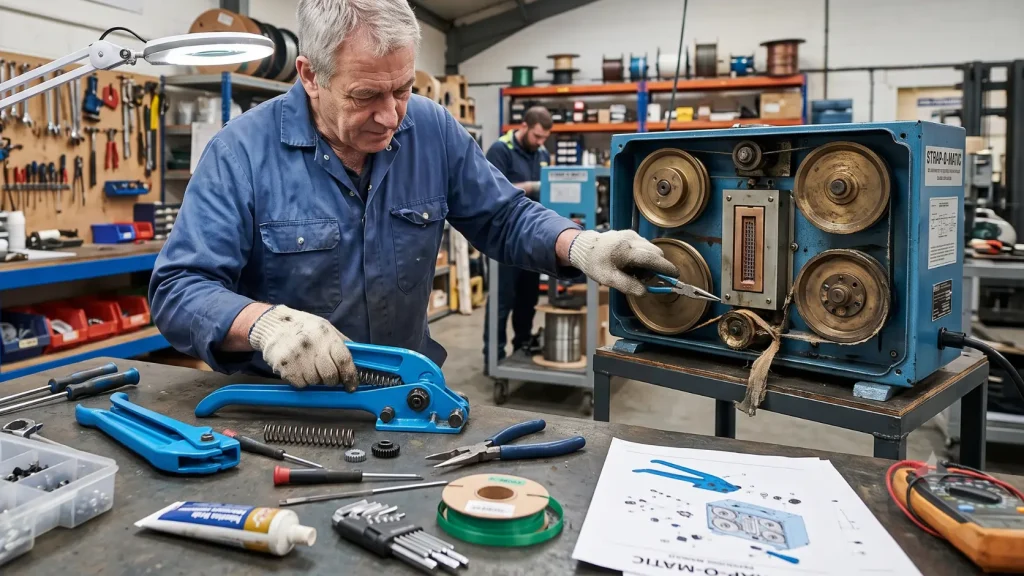
Seven Seas Machinery services, covering strapping tool repair and servicing for PET and metal strapping tools operating across Dubai, Sharjah, and Abu Dhabi facilities, including inspection, cleaning, and calibration work on tensioning and sealing components. Facilities running mixed equipment lines sometimes also need [hydraulic and pneumatic system support] for the compressed air side of pneumatic strapping setups.
Final Thoughts
Strapping tool types are not interchangeable, and the cost of getting it wrong shows up in slipped loads, damaged packaging, or a tool that fails right when a shipment deadline is closest. What does your current strapping setup handle best, and where is it starting to strain under the load?
FAQ
What strapping tool works best for pallets going into shipping containers?
Depends on the load. PET strapping tools handle most standard palletized cartons fine, but anything with sharp edges or serious weight needs a metal strapping tool since PET straps will eventually cut or slip under that kind of pressure.
Do battery strapping tools actually save money over manual ones?
On low volume, not really, since the manual tool costs less and does the job. Once you are running dozens of straps a shift, the battery tool pays for itself through consistent tension and less operator fatigue.
Can one strapping tool handle both PET and steel straps?
No. Sealing mechanisms differ, PET tools weld or buckle plastic straps, and metal tools crimp a steel buckle onto a steel band. Trying to force one tool to do both usually damages the tool or the strap.
Why does a strapping tool suddenly stop tensioning properly?
Usually a worn or dirty tensioning wheel. Debris builds up, grip weakens, and the strap starts slipping right as tension increases. A cleaning and inspection often fixes it before any parts need replacing.
How often should industrial strapping tools get serviced?
Frequency depends on daily strap count, but a facility running tools continuously should schedule inspection and lubrication on a regular cycle rather than waiting for a breakdown, since worn components tend to fail mid-shift, not during downtime.