Hydraulic Seal Types: How to Choose the Right One
A cylinder that starts weeping oil around the rod is rarely a random failure. Nine times out of ten, it traces back to one thing: the wrong hydraulic seal types installed for the job it’s actually doing. Getting familiar with the main categories and what each one is built for, saves a lot of guesswork the next time a system needs rebuilding.
What Are the Main Hydraulic Seal Types You'll Run Into?
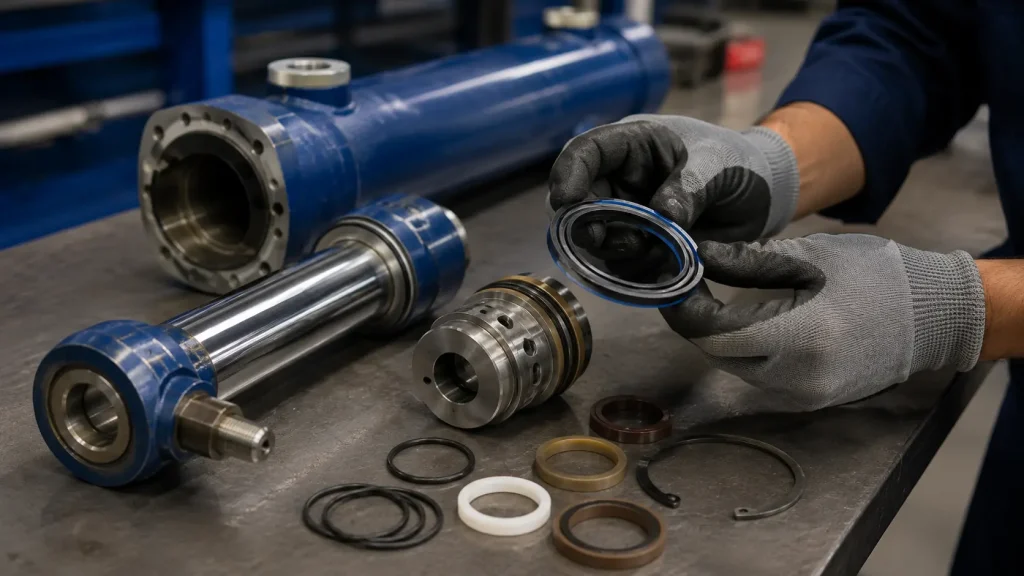
Hydraulic seals UAE suppliers stock generally fall into a handful of functional categories, and each does a specific job rather than a general one. Rod seals sit around the piston rod and stop pressurized fluid from escaping as the rod moves in and out. Wiper seals sit just outside the rod seal, and their only job is scraping dirt, dust, and moisture off the rod before it can drag contamination back into the cylinder.
Buffer seals absorb pressure spikes before they reach the primary rod seal, which extends the life of that primary seal considerably. Floating seals handle rotating or oscillating applications where a static seal would wear unevenly. Back-up rings and wear-guide rings don’t seal on their own, but they support the primary seal and stop it from extruding into gaps under high pressure, something that happens more often than people expect once a system runs hot. Symmetrical V-pack seals stack multiple sealing elements together for heavy-duty applications, and spring-energized seals use a mechanical spring to maintain constant contact pressure even as the seal material wears down over time. Pistol seals round out the list, used specifically where space is tight and a compact profile matters more than raw sealing surface area.
Matching Seal Material To What's Actually Running Through The System
Picking the right shape only solves half the problem. Material selection matters just as much, because a seal that’s the right shape but the wrong material will still fail, just more slowly. Polyurethane offers strong abrasion resistance and is a common default for general hydraulic work. PTFE, often known by the trade name Teflon , handles a wide chemical resistance range and low friction but needs a more specific design to seal effectively on its own.
For systems running petroleum-based hydraulic fluid specifically, nitrile rubber, commonly labeled NBR or Buna-N, is the standard cost-effective choice and handles most standard oils without issue. Fluorocarbon rubber, known as FKM or Viton, costs more but resists a broader range of petroleum fluids and holds up better at higher temperatures. Fluid compatibility isn’t a minor spec on a data sheet. A seal material rated for the wrong fluid family degrades from the inside, and that kind of failure often looks identical to normal wear until the cylinder is opened up.
Signs You've Got The Wrong Seal Installed
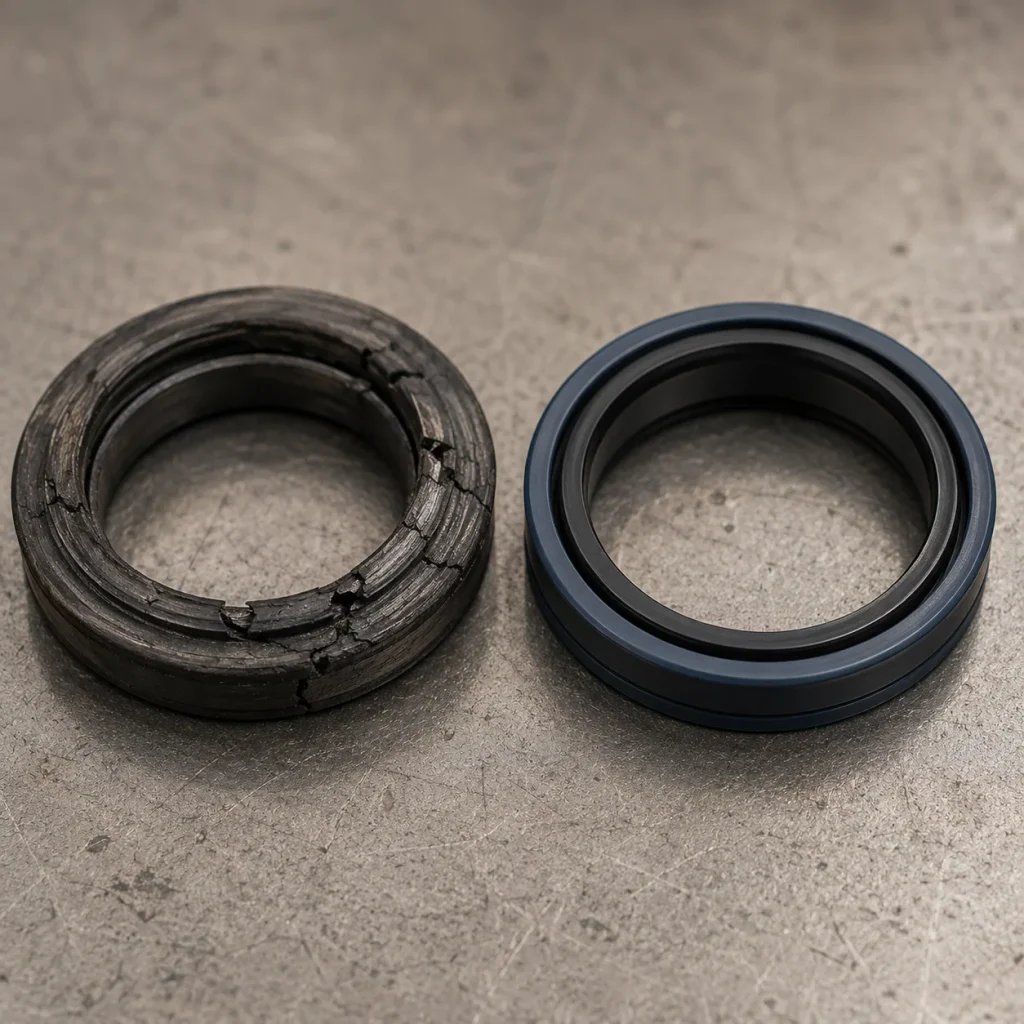
A few patterns show up consistently when the wrong seal type or material has been used. Fluid weeping steadily around the rod, even after a fresh seal replacement, usually points to a wiper seal that isn’t matched to the environment, letting contamination back in faster than expected. Seal material that’s gone hard, brittle, or cracked rather than simply worn thin suggests a chemical or temperature mismatch rather than ordinary age. Extrusion, where the seal material has been pushed into the clearance gap and torn, almost always means the back-up ring was skipped or undersized for the pressure the system runs at.
Once a hydraulic seal has actually failed rather than just aged, replacement is the practical route rather than attempting an in-place repair, since a compromised seal rarely holds pressure reliably again even after patching. Anyone running mixed fleets of equipment, particularly across marine, industrial, or hydraulic & pneumatic setups where duty cycles vary a lot between machines, benefits from keeping a record of which seal type and material went into which cylinder. It saves time on the next rebuild.
Final Thoughts onHydraulic Seal Types
Most hydraulic seal types failures aren’t really about seal quality. They’re about a shape or material picked for convenience rather than for what the system is actually doing day to day. Next time a seal needs replacing, is anyone checking the fluid type and operating temperature before ordering the same part number as last time?
FAQ
What do hydraulic seals actually do?
They stop pressurized fluid from leaking out of a cylinder as parts move. Without a working seal, a hydraulic system loses pressure fast, which means less force where it's needed. Different seal types handle different parts of that job, from the rod itself to keeping outside dirt from getting back in.
How do I know which seal type my cylinder needs?
Check what's failing first. Leaks near the rod point to rod or wiper seal issues, while pressure loss under load often traces to back to back rings or extrusion damage. Matching the replacement to the original type and material, not just the bore size, matters more than most people assume.
Can a damaged hydraulic seal be repaired instead of replaced?
Generally, no. Once a seal has actually failed, whether through extrusion, hardening, or wear, it rarely holds pressure reliably again even with a patch. Replacement tends to be the more practical option, and it's usually cheaper than dealing with a repeat failure a few weeks later.
Which seal material works best for petroleum-based hydraulic fluid?
Nitrile rubber, often called NBR or Buna-N, handles most petroleum-based oils well and costs less than the alternatives. Fluorocarbon rubber, or FKM, costs more but copes better with higher temperatures and a wider range of petroleum fluids, which matters in systems that run hot consistently.
Why does my cylinder keep leaking even after a new seal was fitted?
That usually points to a mismatch rather than a bad seal. Wrong material for the fluid type, a wiper seal not suited to the working environment, or a missing back-up ring can all cause repeat leaks even with a properly installed new seal. Worth checking the full seal set, not just the one that visibly failed.