Forklift Maintenance: Stop Breaking Your Budget
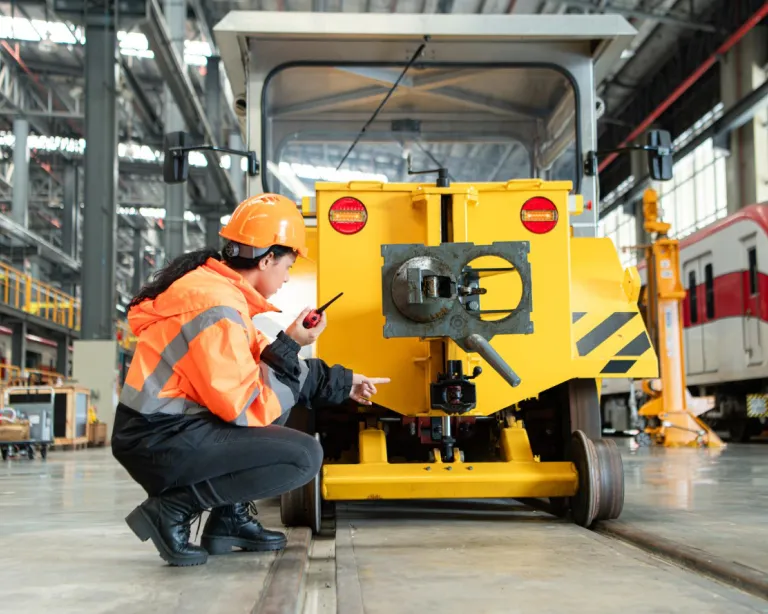
Let’s be honest. A broken forklift isn’t just a mechanical headache. It’s a complete bottleneck for your warehouse in Dubai. Every hour that machine sits idle, you’re losing money. Forklift maintenance shouldn’t be a guessing game.
Most common forklift problems are entirely preventable. If you’re tired of unexpected repair bills and stalled operations, you’re in the right place. We’re going to look at what actually goes wrong and how Seven Seas Machinery keeps your fleet moving.
Table Of Contents
Why Is My Forklift Losing Power?
One of the most frequent complaints involves power loss. If your electric forklift is sluggish or your IC engine model is sputtering, you’ve got a problem.
Usually, it’s the battery. People often forget that electric forklift batteries need more than just a plug. They need regular watering and cleaning. For gas models, it’s often a clogged fuel filter or a tired spark plug.
If you ignore these minor hiccups, you’re looking at a total engine or motor failure. That’s a massive expense you could have dodged with a simple check-up.
Dealing with Mast and Hydraulic Issues
The mast is the heart of your lifting power. When it starts jerking or refusing to lift, work stops. This is often caused by low hydraulic fluid or a leak in the hoses.
In the heat of Dubai, seals can dry out and crack faster than you’d expect. You might also notice the forks aren’t levelling properly. This is usually due to stretched chains.
- Check your fluid levels daily. It takes two minutes.
- Look for puddles. If there’s oil on the floor, don't ignore it.
- Listen for whining. High-pitched noises from the pump mean it's struggling.
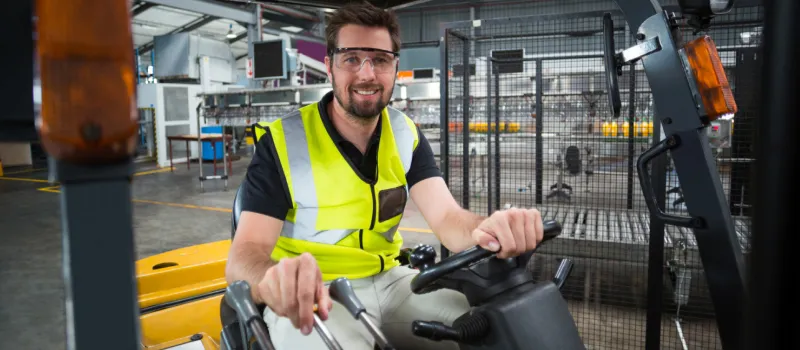
Steering and Braking: Don't Risk It
Soft brakes or stiff steering aren’t just maintenance issues; they’re safety hazards. Forklifts are heavy. If a driver can’t stop or turn accurately in a tight Dubai warehouse, someone is going to get hurt.
Worn-out brake pads are common, especially in high-traffic environments. Steering issues often stem from worn tyres or misaligned axles. Because these machines work hard, the mechanical joints need constant lubrication. Without grease, metal rubs on metal. Everything grinds to a halt.
How to Prevent Common Forklift Problems
The secret to a long-lasting machine isn’t magic. It’s consistent. At Seven Seas Machinery, we advocate for a “daily walk-around” culture.
- The Pre-Shift Inspection: Check tires, fluids, and lights before every shift.
- Scheduled Servicing: Don't wait for a breakdown. Fix things while they still work.
- Operator Training: Most damage happens because of rough handling. Teach your team to respect the equipment.
By staying ahead of the wear and tear, you ensure your forklift maintenance stays manageable rather than becoming a financial drain.
Final Thoughts on Forklift Maintenance
A well-maintained forklift is a silent partner in your business success. It works when you work. It doesn’t throw tantrums on a busy Tuesday morning. Are you ready to stop reacting to breakdowns and start managing your fleet like a pro?
FAQ
How often should I actually service my forklift?
Think of it like your car, but on steroids. Generally, every 200 to 250 hours of operation is the sweet spot. In the dusty, hot conditions we have here in Dubai, sooner is always better than later.
Why is my forklift mast sticking?
It’s likely a lack of grease or a bent rail. If it’s not sliding smoothly, stop using it. Forcing a sticking mast is a great way to snap a chain and cause a disaster.
Can I do my own forklift repairs?
Small stuff? Sure. Topping off fluids is fine. But when it comes to hydraulics, brakes, or the engine, you need a pro. One wrong move can void your warranty or make the machine unsafe.
Is it worth fixing an old forklift?
If the repair cost is more than half the value of a replacement, let it go. We can help you decide if it's time to retire the old rig and upgrade.