Mechanical Seal Failure Causes: 7 Signs to Catch Early
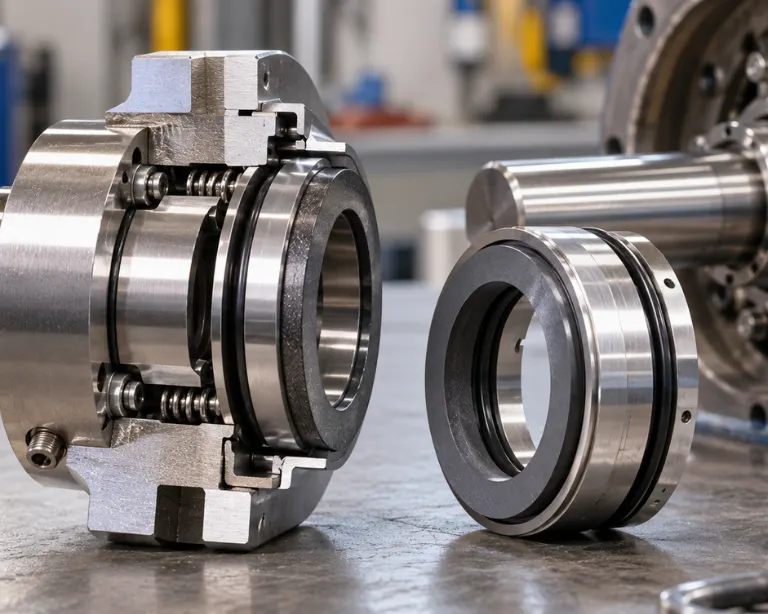
A mechanical seal has one job. It stops fluid from escaping where a rotating shaft meets a stationary housing, which is why pumps, mixers, and agitators lean on it every hour they run. When it quits, you usually see the mess before you understand the reason. These seven mechanical seal failure causes come from how seals are built, matched, and maintained, so UAE plant and marine teams can spot trouble sooner.
How Does a Mechanical Seal Work Inside Pumps and Mixers?
A seal forms a barrier between rotating and stationary parts. That barrier keeps the system fluid in place while the equipment keeps turning.
Mechanical seals for pumps come in several forms: component, cartridge, cryogenic, marine, labyrinth, OEM replacement, air shaft, and dry gas. Each suits a different application, and that variety explains a lot of what goes wrong later. Seal face materials add another layer. Carbon, ceramic, silicon carbide, and tungsten carbide are all used, and each behaves differently in service.
Mechanical Seal Failure Causes, One by One
1. The Wrong Seal Type for the Job
Types of seals used in pumps differ because applications differ. A cartridge seal and a labyrinth seal are not interchangeable just because the shaft size matches. Early sign: fluid loss soon after installation.
2. A Face Material That Doesn't Suit the Service
Carbon, ceramic, silicon carbide, and tungsten carbide each respond differently to the fluid and the duty. A mismatched pairing tends to shorten seal life. Watch for uneven wear on the parts around the seal.
3. Single or Double: The Wrong Arrangement
Single and double seal systems solve different problems, and the right pick depends on the equipment. If the same pump keeps leaking after every change-out, question the arrangement itself, not only the seal.
4. Harsh Marine Conditions
Marine seals exist as their own category because shipboard and dockside equipment works in tougher surroundings than most plant machinery. Wear showing up sooner than on comparable land-based pumps is the early sign.
5. Worn Parts Left in Service
Seals wear down. Leave a worn one in place, and a small leak becomes component wear and unplanned downtime. A slow, steady fluid loss near the shaft is the usual first clue.
6. Replacement Parts That Don't Match the Original
OEM replacement seals exist because fit and specification matter. A near match can leak soon after fitting. Sourcing genuine parts through the manufacturer removes one variable from the diagnosis.
7. Weak Support and Late Diagnosis
Support systems around pumps, mixers, and compressors, plus on-site diagnostics, help catch a developing fault before shutdown. Teams that only look after something breaks tend to meet the failure first. If faults surface only at breakdown, this is the cause to check.
Safety Note Before You Touch a Leaking Seal
A leaking seal can mean hazardous fluid, hot surfaces, or pressurized equipment, depending on the service. Follow your site’s isolation procedures and the equipment maker’s guidance, and bring in a qualified engineer for diagnosis. Treat the points above as general education, not a substitute for an engineer’s assessment of your own machine.
Final Thoughts
Mechanical seal failure causes rarely come from one dramatic event. Small mismatches in type, material, arrangement, and parts follow up until something gives. Checking the seven causes against your own maintenance log is a sensible first audit. Seven Seas Machinery supplies mechanical seals and on-site support across the UAE. Which of these seven would your records point to first?
FAQ
What usually makes a mechanical seal leak?
Most leaks trace back to a mismatch or to age. Wrong seal type, wrong face material, a worn seal left running, or a replacement that doesn't match the original spec. Fluid near the shaft is your cue to look closer.
Can the wrong seal material really cause trouble?
Yes. Carbon, ceramic, silicon carbide, and tungsten carbide each behave differently in service. Put the wrong one against your fluid and duty, and you'll likely see uneven wear on nearby parts sooner than you'd like.
Does a double seal always beat a single one?
Not automatically. Single and double systems suit different equipment and conditions. The better choice depends on what the pump handles and how it runs, so ask an engineer before switching.
How do I know a seal is wearing out early?
Look for slow fluid loss around the shaft, wear on neighbouring components, or the same pump leaking again after a recent change-out. Any of those means it's time for a proper inspection.
Who should check a leaking seal on a pump?
A qualified engineer. Leaks can involve hazardous fluids or pressurized equipment, so follow your site's isolation rules first, then let someone with the right training diagnose it.