Why Preventive Marine Maintenance Saves More Than Just Time: A Look Into Hidden Costs and Risks
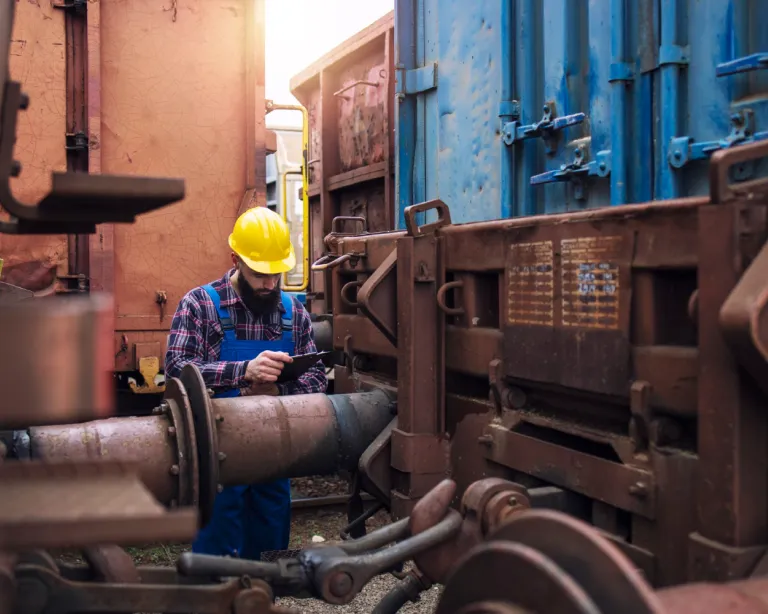
In what ways can preventive marine maintenance lower unforeseen repair expenses and result in long-term cost savings?
Preventive marine maintenance aims to save costs, lower risks, and guarantee safety long before issues occur. It’s not just about keeping your ship or boat operational. The hidden costs of neglect will be revealed, the importance of routine maintenance will be discussed, and proactive care will be demonstrated to keep your boat and your peace of mind afloat.
Table Of Contents:
Major Repair Costs Are Decreased
- Even minor flaws can later develop into serious, expensive issues if a ship, boat, or other piece of marine equipment is not regularly inspected.
- Small cracks in corroded decks, hulls, and screws can cause damage that spreads throughout the water, compromising the ship’s structural integrity and resulting in high repair costs if they are not fixed.
- The cost of comprehensive overhauls and maintenance can surge if minor issues with engines, generators, and propulsion systems are not addressed.
- These minor issues can be identified and fixed through preventive maintenance before they worsen and require immediate attention.
Reduces Malfunctions And Delays In Operations
- In the marine industry, it is crucial to make sure that all systems are functioning at their best when operating a ship, boat, or other technical equipment.
- If ignored, minor anomalies can frequently result in significant downtime and operational disruptions.
- If not promptly fixed, even small issues with the engine propulsion system and hydraulic equipment can totally impair the boat’s operation.
- Disruptions during the voyage may result from minor issues that are missed during the initial technical equipment inspections.
- Money, time, and customer trust can be lost as a result of basic operational flaws.
Increases Passenger And Crew Safety
- It is crucial to ensure the safety of both passengers and crew when operating a ship, boat, or other marine vehicle.
- Technical issues, engine failures, temperature changes, or hydraulic system breakdowns can result in mishaps and severe injuries.
- In-depth inspections are performed on engines, propulsion systems, and hydraulic equipment, and any minor issues are quickly identified.
- Lifeboats, lifeguard gear, lift electrical systems, and fire alarms are all guaranteed to be secure and functional.
- Passengers and crew can travel safely and accident-free by following a number of safety regulations.
Safeguards The Value Of Long-term Assets
- Ships, boats, and equipment are examples of marine assets that need to be properly maintained and protected over time because they are significant investments.
- Neglect-induced depreciation and loss of market value can result from even small flaws.
- Regular inspections are performed on engines, propulsion systems, hydraulic apparatus, and other machine parts.
- Early detection and repair of minor cracks, corrosion, and irregularities helps to prevent future major repair expenses.
Avoids Unanticipated Expenses
When operating engines, propulsion systems, hydraulic equipment, and marine vessels, minor issues can quickly develop into major failures.
- Ignoring minor issues now could result in significant financial obligations later.
- However, these unforeseen expenses can be decreased with routine preventive maintenance.
- Promptly identifying and addressing minor leaks, corrosion, and engine problems can help prevent unexpected repair costs.
- Unexpected expenses like towing fees, emergency services, and overtime staff costs are reduced as a result.
Encourages Compliance With Regulations
- It is essential to follow several safety, environmental, and professional guidelines when operating engines, propulsion systems, boats, ships, etc., while at sea.
- Routine inspections, testing, and corrective actions help ensure compliance with safety and operational standards.
- Remedial actions and routine testing aid in fostering obedience.
- Thus, preventive maintenance encourages crew members and operators to follow procedures, reducing accidents and preventing violations.
Tranquility Of Thought
- In the maritime industry, employees and vessel owners frequently experience psychological stress due to worries about the performance of ships, boats, and engines.
- Fear of unforeseen malfunctions, technical issues, and possible mishaps can jeopardize the journey and operations.
- Maintaining and inspecting all significant systems and equipment on a regular basis to guarantee the vessel’s operational effectiveness.
- Fear of unplanned malfunctions or mishaps is lessened when crew members and ship owners operate with confidence.
- The performance of your crew and the safety of your investment are better protected when you sail with confidence.
Financial Advantages Of Preventive Maintenance
- Early detection and repair of minor issues helps avoid costly replacement parts and reduces unforeseen expenses.
- Regulates the extra expenses for overtime towing and emergency service.
- By keeping the ship in service, operational downtime is decreased, and commercial losses are avoided.
- Preserves insurance rates and resale value, improving future return on investment.
- Fuel consumption, operating costs, and inefficiency are all decreased when machinery is kept running on schedule.
FAQ
To what extent does preventive maintenance prolong a vessel's lifespan?
The main systems and parts of the vessel are kept in working order through planned inspections and maintenance which prolongs the life of the machinery.
What expenses result from skipping out on preventive maintenance?
There may be unplanned malfunctions, expensive repairs, downtime and risks to the crews and passengers safety.
Which are the primary financial advantages of preventive maintenance?
- Lower expensive repair costs
- Avoiding unforeseen expenses
- Operational savings as a result of less downtime
- Protection of resale value
- A rise in operational effectiveness